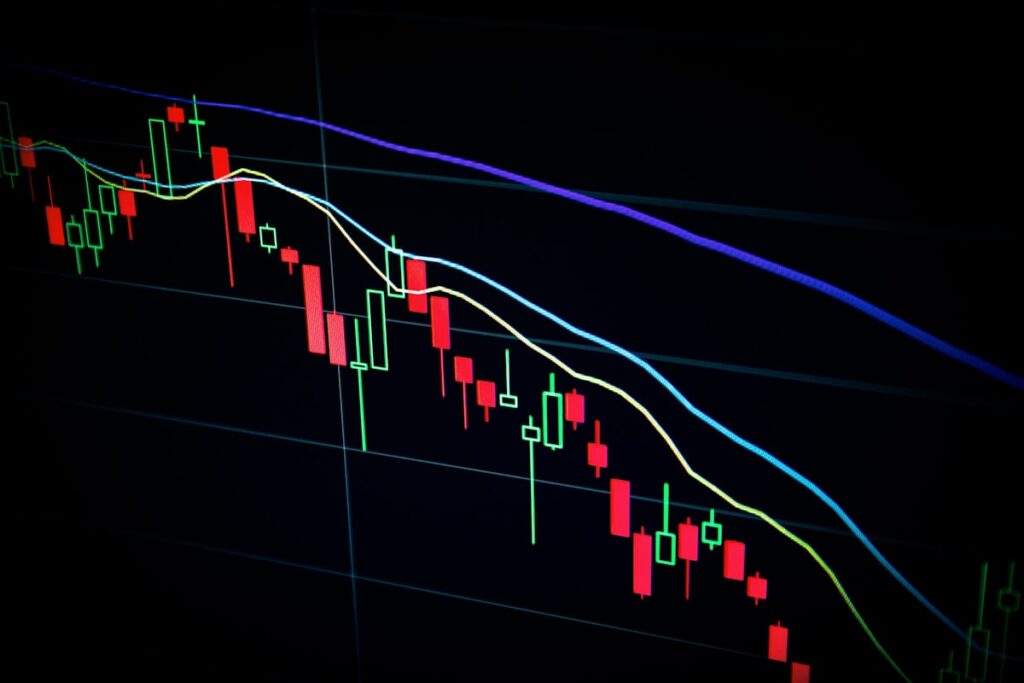
The crypto market is one of the most volatile and opportunity-rich markets in the world. But with volatility comes risk — and without a solid strategy, most traders end up losing money. In this guide, we break down the 5 best crypto trading strategies that actually work in 2026, based on real market conditions and proven methodologies.
Why You Need a Trading Strategy
Trading without a strategy is gambling. A strategy gives you:
- Clear rules for entering and exiting trades
- A framework to manage risk consistently
- A way to measure and improve your performance
- Emotional discipline during volatile market moves
Let’s look at the five strategies that seasoned crypto traders use to generate consistent returns.
Strategy 1: Scalping — Quick Profits, Fast Execution
Scalping involves making dozens of small trades throughout the day, each capturing tiny price movements. Scalpers typically hold positions for seconds to minutes.
Best for:
Experienced traders who can monitor charts constantly and execute trades quickly.
Key tools:
- 1-minute and 5-minute charts
- RSI and MACD indicators
- High-liquidity pairs (BTC/USDT, ETH/USDT)
Pro tip: Scalping requires tight spreads and fast execution. Use low-fee exchanges and ensure your internet connection is reliable.
Strategy 2: Day Trading — Capitalize on Daily Movements
Day traders open and close all positions within a single trading day. Unlike scalping, day trades are held for minutes to hours and are based on more substantial price moves.
Best for:
Active traders who can dedicate 2–6 hours per day to market analysis.
Key approach:
- Identify strong support/resistance levels on the 15-minute or 1-hour chart
- Use volume analysis to confirm breakouts
- Always set stop losses before entering a trade
Risk management: Never risk more than 2% of your capital on a single day trade. Consistent small wins beat inconsistent big swings.
Strategy 3: Swing Trading — Ride the Big Waves
Swing trading captures price swings over several days to weeks. It’s less time-intensive than day trading and can generate significant returns if timed well.
Best for:
Traders who can’t monitor markets all day but still want active positions.
How it works:
- Identify a coin in an uptrend or at a key support level
- Enter on a pullback to support or after a breakout confirmation
- Set take profit targets at key resistance levels
- Allow the trade 3–14 days to play out
Key indicator: The 50-day and 200-day moving averages are crucial for swing traders — they define medium-term trends with high reliability.
Strategy 4: Position Trading — The Long Game
Position traders hold assets for weeks to months, focusing on major market cycles rather than short-term noise. This strategy requires patience but can generate the highest returns.
Best for:
Investors with a longer time horizon and strong conviction in a project’s fundamentals.
Strategy pillars:
- Buy during market corrections or bear markets
- Use dollar-cost averaging (DCA) to build positions gradually
- Hold until your price target or market cycle peak
Bitcoin’s four-year halving cycle and Ethereum’s ecosystem growth are classic drivers for position traders in 2026.
Strategy 5: Signal-Based Trading — The Smart Trader’s Edge
Signal-based trading involves following expert-generated trade recommendations that include specific entry points, take profit levels, and stop losses. This strategy is increasingly popular because it combines professional-grade analysis with accessibility.
Best for:
Traders of all experience levels who want data-driven, emotion-free entries and exits.
Why it works:
- Every signal is backed by technical analysis — no guessing
- Pre-defined stop losses ensure automatic risk management
- You learn market analysis by studying the reasoning behind each signal
Services like GetTradeSignals provide daily confirmed signals with complete trade details, making it one of the most efficient strategies for busy traders who want real results without spending hours on chart analysis.
Combining Strategies for Maximum Results
The most successful crypto traders don’t limit themselves to one strategy. A common combination:
- Use signals for your primary trade entries
- Apply swing trading principles to manage holding periods
- Use position trading for your core portfolio holdings
This layered approach diversifies your risk across timeframes while maximizing profit potential.
Key Risk Management Rules for Every Strategy
- Never risk more than 1–2% of total capital per trade
- Always set a stop loss before entering any position
- Take partial profits at your first TP level
- Don’t average down into losing trades without analysis
- Keep a trading journal to track and improve your performance
Final Thoughts
The best crypto trading strategy is one you can execute consistently with discipline. Whether you prefer the quick action of scalping or the patient approach of position trading, success comes from applying your strategy with strict risk management.
Looking to skip the steep learning curve? Get daily professional crypto signals and trade with confidence backed by real expert analysis.